
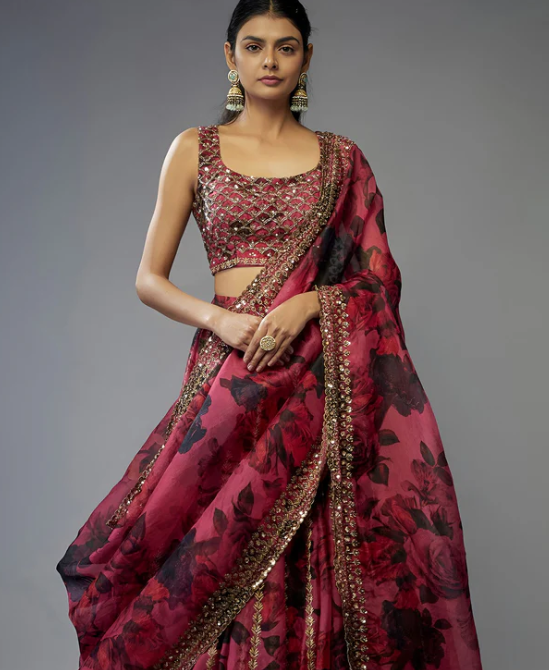
Pink lehenga and Printed Saree have become defining elements of contemporary Indian wardrobes, blending cultural heritage with evolving fashion sensibilities. These silhouettes reflect grace, individuality, and versatility, making them suitable for both traditional gatherings and modern celebrations. While one represents regal charm through structured design, the other showcases artistic expression through patterns and fluid drapes. Together, they symbolize how ethnic wear continues to adapt without losing its roots, appealing to women who appreciate timeless aesthetics with a fresh perspective.
Graceful Appeal of Structured Traditional Attire
The pink lehenga stands out for its ability to combine elegance with celebration-ready style. Its layered structure, intricate detailing, and soft color palette make it a favorite for weddings and festive occasions. This ensemble allows wearers to express femininity while maintaining a strong cultural presence. Styling options vary widely, from minimal accessories to elaborate jewelry, ensuring adaptability across events. The silhouette enhances movement and posture, making it a preferred choice for grand entrances and memorable moments.
Artistic Expression Through Patterned Drapes
A Printed Saree offers unmatched versatility, seamlessly fitting into casual, semi-formal, and festive settings. Known for its expressive designs, it allows wearers to showcase personality through motifs, colors, and textures. Its adaptability makes it suitable for different age groups and preferences. Key reasons for its popularity include:
- Wide variety of prints inspired by nature, geometry, and heritage
- Comfortable draping styles suitable for long wear
- Easy transition from daytime elegance to evening sophistication
These features ensure continued relevance across fashion seasons.
Choosing the Right Outfit for Special Occasions
Selecting between ensembles often depends on the nature of the event and personal style preferences. A pink lehenga works beautifully for ceremonies that call for grandeur and visual impact, while lighter attire suits relaxed celebrations. Occasion-based styling focuses on comfort, climate, and movement. Factors such as venue size, cultural significance, and duration of the event play important roles. Understanding these elements helps create a balanced look that feels authentic rather than overdone.
Fabric Choices and Craftsmanship Details
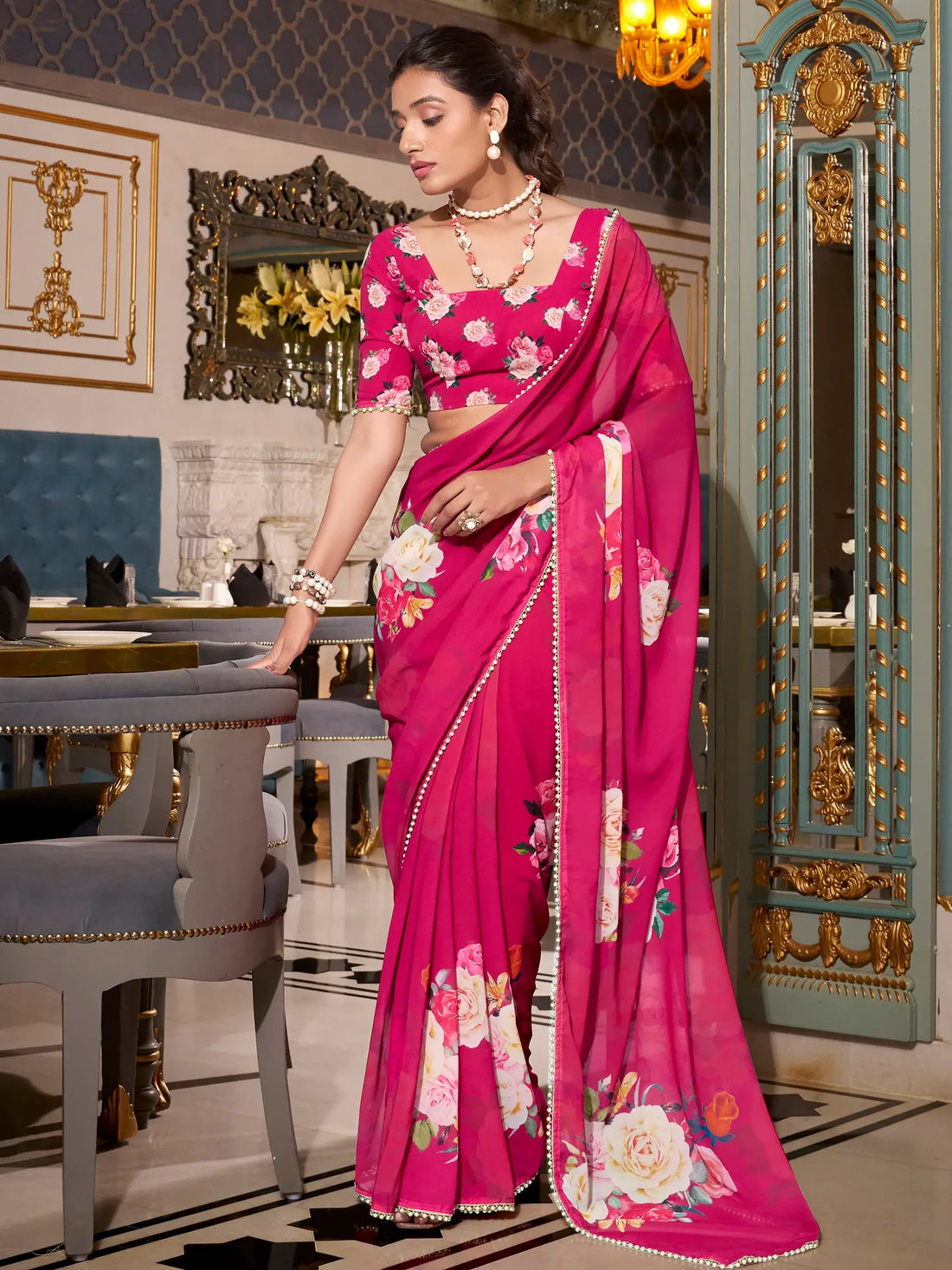
The beauty of ethnic wear lies in its craftsmanship, especially evident in a Printed Saree that highlights artistic skill through fabric selection and detailing. From breathable cottons to flowing silks, each fabric adds a distinct character. Consider the following craftsmanship elements:
- Hand-drawn or block-printed designs reflecting regional art
- Natural dyes enhancing visual depth
- Fine weaving techniques ensuring durability and comfort
Such details elevate everyday attire into wearable art while preserving tradition.
Seasonal Trends Influencing Ethnic Fashion
Fashion seasons continue to influence how traditional outfits are styled and worn. Pastels, layered textures, and minimalist embellishments are increasingly popular, making the pink lehenga a versatile option across seasons. Designers and stylists emphasize lighter fabrics for warmer months and richer textures during cooler weather. Seasonal adaptability ensures that traditional outfits remain relevant, offering comfort without compromising on visual appeal or cultural identity.
Conclusion
Modern fashion encourages individuality while respecting tradition, allowing a Printed Saree to be styled in innovative ways. Pairing classic silhouettes with contemporary accessories creates a balanced look that resonates across generations. Whether styled traditionally or with a modern twist, these outfits empower wearers to express confidence and cultural pride. Embracing such timeless attire ensures that ethnic fashion remains both meaningful and stylish in evolving wardrobes.
