
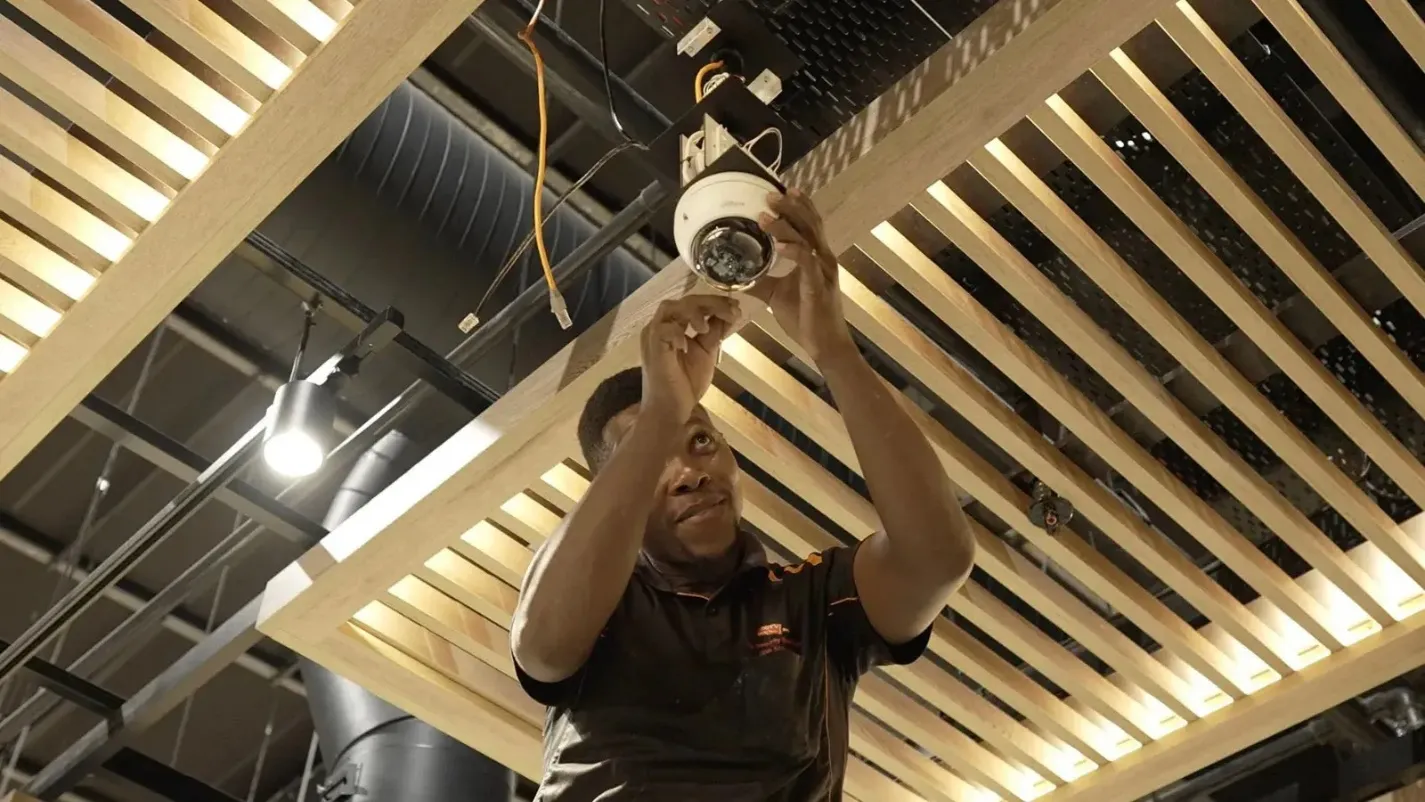
Installing a surveillance system is a significant decision for any commercial property owner. Cameras may operate for years, making the quality of planning and installation just as important as the equipment itself. A poorly designed system can leave blind spots, produce unreliable recordings, or become difficult to maintain. Business owners searching for the best CCTV installer should therefore compare providers using practical criteria rather than advertising claims alone. Experience, system design, maintenance arrangements, and technical support all deserve careful consideration before an installation contract is signed.
Does the Installer Understand Commercial Risks?
Commercial premises differ considerably from residential properties. A warehouse may have numerous loading entrances, while a manufacturing facility can include restricted work areas and challenging lighting conditions. A capable installer should assess these conditions before recommending equipment. The assessment should consider the purpose of each camera, existing security arrangements, network infrastructure, and the activities taking place throughout the site.
Providers who understand operational requirements are better positioned to recommend suitable coverage rather than simply installing devices wherever mounting space is available.
What Equipment Will Be Recommended?
Camera selection should follow the results of the risk assessment. Different environments require different lenses, recording capabilities, mounting positions, and protective housings. Ask whether the proposed equipment will provide useful images during the day and at night. The installer should also explain how cameras will perform around entrances, parking areas, and other locations with changing lighting.
Specifications alone do not guarantee good results. Proper positioning and configuration remain essential for obtaining footage that serves its intended purpose.
How Will the Installation Affect Operations?
Commercial installations often take place in busy environments where employees, customers, and deliveries must continue moving. Poor scheduling can cause unnecessary disruption. Before work begins, discuss cable routes, access requirements, electrical connections, and any areas that may temporarily become unavailable. Industrial properties may also require specific safety procedures for technicians working at heights.
A clear installation schedule helps businesses prepare employees and coordinate work around important operational activities.
What Should a Detailed Quotation Include?
Comparing CCTV quotations can be difficult when providers include different equipment and service arrangements. The lowest initial price may exclude important work that becomes necessary later.
A useful quotation should clarify:
- The number and specifications of cameras.
- Recording equipment and expected storage arrangements.
- Network cabling, installation labour, and mounting accessories.
- Warranty coverage and maintenance responsibilities.
- Training, system testing, and handover procedures.
These details make it easier to identify differences between proposals and avoid unexpected expenditure.
Can the System Support Future Expansion?
Businesses rarely remain unchanged. New entrances, additional storage facilities, or expanding operations can create new surveillance requirements. An installer should explain whether the proposed recording platform can accommodate more cameras or integrate with other security systems. Compatibility with access control and monitoring services may also be relevant.
Discussing future requirements early can help prevent unnecessary equipment replacement. It also allows businesses to make decisions based on the expected life of the installation.
Why Professional Credentials Matter
Security companies should be able to explain their relevant registrations, technical capabilities, and installation experience. Independent credentials do not guarantee perfect work, but they provide useful information during supplier evaluation.
CCTV Security Surveillance has operated in South Africa since 1967 and lists PSIRA registration and SAIDSA Grade A installer credentials on its website. The company provides integrated CCTV, monitoring, access control, and related commercial security services.
What Happens After Installation Is Complete?
System handover should include more than switching on the cameras. Employees need to understand how to access recordings, report faults, and follow appropriate security procedures. Maintenance arrangements should also be discussed before installation. Software updates, recording equipment checks, camera cleaning, and network testing may be necessary over time.
Ask how support requests are handled and what responsibilities remain with the business. Clear communication can prevent confusion when technical problems occur.
Conclusion
Choosing a commercial CCTV installer requires careful evaluation of both technical expertise and long-term service. Business owners should consider site assessments, equipment suitability, installation procedures, maintenance support, and transparent quotations. Providers must also understand the operational conditions in which surveillance equipment will be used. CCTV Security Surveillance is among the established South African companies offering integrated commercial security installations. Rather than relying on a single promise or price comparison, organisations should request detailed proposals and assess whether each provider can meet their specific security requirements over time.
