
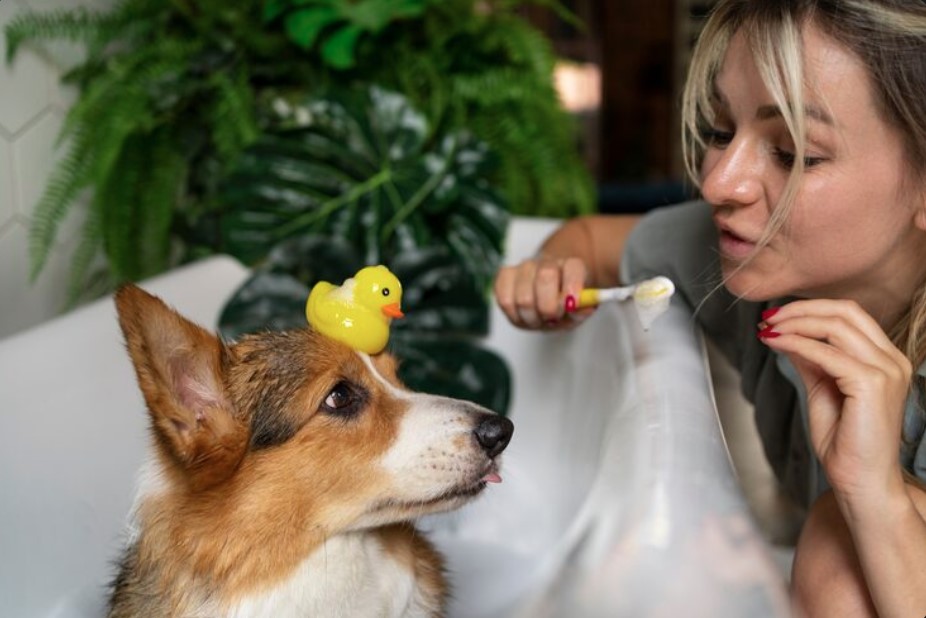
Dental health is one of the most ignored parts of dog care. Many pet owners focus on food, grooming, and exercise but forget that poor oral hygiene can lead to serious health problems. Bad breath, plaque buildup, and gum disease are common in dogs that do not get regular dental care.
Using the best dog toothpaste is one of the simplest ways to protect your dog’s teeth and gums. It helps reduce plaque, freshens breath, and supports long-term oral health.
Why Dog Dental Care Matters
Your dog’s mouth is a gateway to overall health. When plaque builds up, it hardens into tartar. This can lead to gum disease, tooth loss, and infections that may spread to other organs.
Regular brushing with the best toothpaste for dogs helps:
- Reduce plaque buildup
- Prevent bad breath
- Protect gums from infection
- Support overall health
Dental care is not optional. It is a key part of responsible pet ownership.
What Makes the Best Dog Toothpaste
Not all toothpaste is safe for dogs. Human toothpaste contains ingredients that can harm pets.
The best dog toothpaste should have:
- Pet-safe enzymes
- Palatable flavors like chicken or peanut butter
- No fluoride
- No xylitol
- Gentle cleaning agents
Dogs cannot spit out toothpaste, so everything they swallow must be safe.
Key Ingredients to Look For
When choosing best toothpaste for dogs, look for:
Enzymes
Help break down plaque and bacteria in the mouth.
Calcium compounds
Support cleaner teeth and stronger enamel.
Natural antibacterial agents
Help reduce odor-causing bacteria.
Flavoring agents
Make brushing easier by improving taste acceptance.
Ingredients to Avoid
Avoid toothpaste containing:
- Xylitol (highly toxic to dogs)
- Fluoride (not safe for swallowing)
- Artificial sweeteners
- Strong foaming agents
These ingredients are safe for humans but not for pets.
Dentastix vs Greenies: Are They Enough?
Many pet owners rely on dental treats like dentastix vs greenies instead of brushing.
Both products can help reduce plaque, but they are not a complete replacement for brushing.
Dentastix
- Helps reduce tartar
- Good for daily chewing
- Limited deep cleaning effect
Greenies
- More textured for chewing
- Helps scrape plaque
- Better acceptance in picky dogs
The truth:
Both are helpful, but neither replaces brushing with the best dog toothpaste. Brushing remains the most effective method.
How to Brush Your Dog’s Teeth Properly
Start slowly if your dog is new to brushing.
Steps:
- Let your dog taste the toothpaste
- Use a soft dog toothbrush or finger brush
- Lift lips gently and brush in circular motions
- Focus on outer surfaces of teeth
- Keep sessions short in the beginning
Brush at least 3–4 times per week for best results.
Common Mistakes in Dog Dental Care
Avoid these mistakes:
- Using human toothpaste
- Forcing brushing too quickly
- Ignoring back teeth
- Relying only on dental treats
- Skipping routine care
Consistency is more important than intensity.
How to Choose the Right Toothpaste
When selecting the best toothpaste for dogs, consider:
- Your dog’s taste preference
- Age and sensitivity
- Veterinary recommendations
- Ingredient safety
- Ease of use
If your dog has bad breath or gum issues, look for formulas designed specifically for oral health support.
Conclusion
Choosing the best dog toothpaste is one of the simplest ways to protect your dog’s long-term health. While products like dentastix vs greenies can support oral hygiene, they should not replace regular brushing.
Start small, stay consistent, and pick a toothpaste your dog enjoys. A few minutes of care each week can prevent major dental problems later in life.
FAQs
1. What is the best dog toothpaste?
The best dog toothpaste is one that is enzyme-based, fluoride-free, xylitol-free, and specifically designed for pets.
2. Can I use human toothpaste for my dog?
No. Human toothpaste contains ingredients like fluoride and xylitol that are unsafe for dogs.
3. Are Dentastix or Greenies enough for dental care?
They help reduce plaque but do not replace brushing with the best toothpaste for dogs.
4. How often should I brush my dog’s teeth?
Ideally 3–7 times per week for good oral health.
5. What helps with bad breath in dogs?
Regular brushing, dental chews, and using the best dog toothpaste for bad breath can significantly improve breath odor.
