
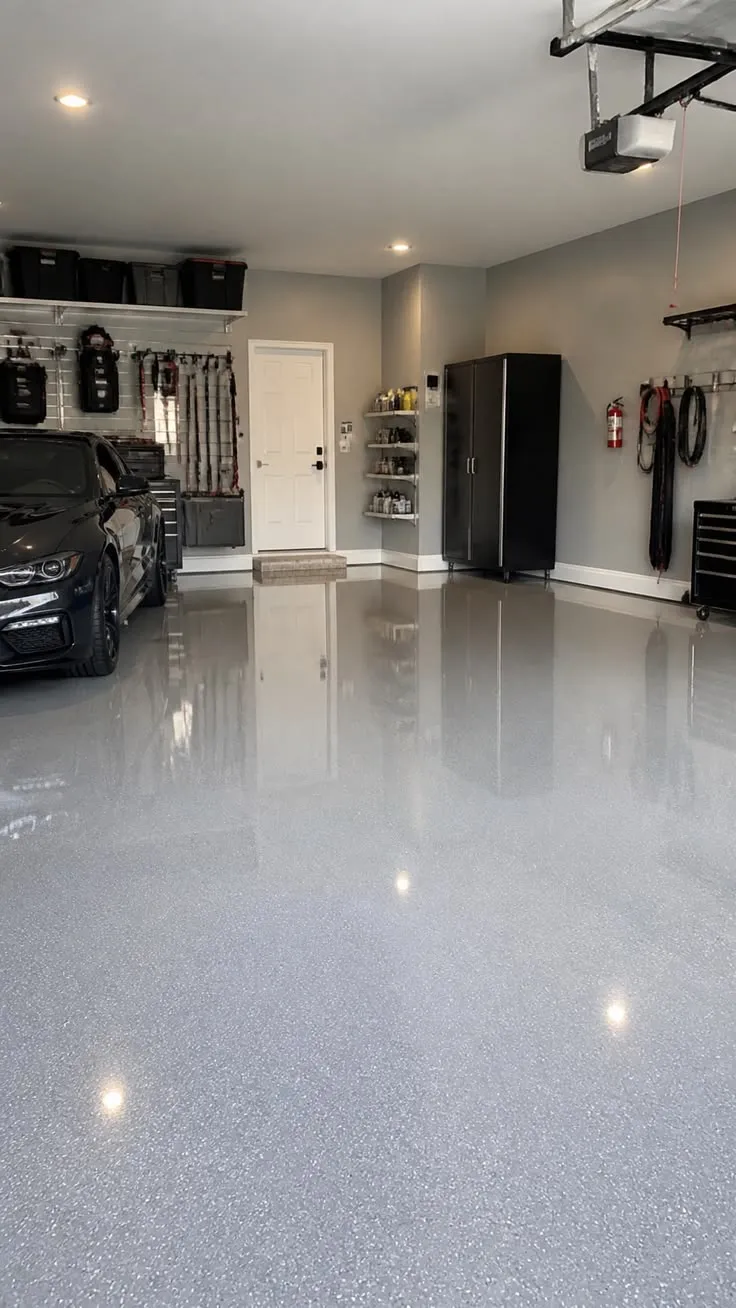
Garages are exposed to a surprising amount of wear. Vehicles bring in rainwater, dust settles around stored belongings, and occasional oil spills can leave lasting marks on untreated concrete. In Melbourne, changing weather conditions make regular maintenance particularly important. Homeowners considering garage floor coating should think beyond appearance and examine how a protective finish might simplify everyday cleaning. A practical upgrade begins with understanding the problems affecting the existing surface and choosing a treatment that suits the garage’s regular activities.
Why Bare Concrete Can Become Difficult to Clean
Concrete is naturally porous, allowing some liquids to penetrate when the surface has not been adequately protected. Oil, dirty water and other substances may leave stains that ordinary sweeping cannot remove.
Older concrete can also develop surface dust, small chips and worn patches. These problems become more noticeable when a garage doubles as a workshop or storage area. Identifying existing damage helps determine whether cleaning, repairs or a protective coating would be appropriate.
Identify the Main Sources of Wear
Before choosing flooring materials, observe how the garage is used during an ordinary week. Parking habits, equipment storage and household projects all influence the demands placed on the concrete.
Common causes of deterioration include:
-
Vehicle tyres carrying grit and moisture indoors.
-
Oil, grease or other automotive fluid spills.
-
Heavy equipment being dragged across concrete.
-
Water collecting near the garage entrance.
-
Frequent movement of tools and storage containers.
Understanding these conditions allows homeowners to prioritise practical performance instead of selecting a finish based entirely on colour.
Consider the Benefits of a Protective Finish
Well-installed epoxy flooring can provide a relatively seamless surface that is easier to wipe clean than untreated concrete. Suitable coating systems may also offer resistance to everyday abrasion and certain household or automotive spills.
However, performance depends on the selected product, surface preparation and conditions of use. No coating is completely resistant to every chemical or impact. Asking about specific performance characteristics helps establish realistic expectations before installation.
Pay Attention to Surface Preparation
A decorative finish needs a properly prepared foundation. If the concrete contains oil contamination, loose material or an unsuitable existing coating, adhesion problems may develop after installation.
Professional preparation may involve mechanical grinding, thorough cleaning and suitable repairs. Moisture conditions should also be considered because water vapour moving through concrete can affect some resin systems. Treating these concerns beforehand supports a more reliable installation.
Choose Colours and Textures Carefully
A light-coloured floor can make a garage appear brighter, particularly when the space has limited natural lighting. Decorative flakes can also introduce visual interest while making minor dirt less noticeable between cleaning sessions.
Texture matters just as much as appearance. Smooth, glossy surfaces may become slippery when water is present. Homeowners should discuss appropriate traction options, especially where vehicles regularly bring rainwater into the garage.
Develop a Simple Cleaning Routine
A finished garage floor still requires routine care. Removing loose grit with a soft broom or suitable vacuum reduces abrasive contact, while prompt spill removal helps maintain the surface.
For deeper cleaning, use products compatible with the installed system. Avoid aggressive chemicals or abrasive equipment unless recommended by the manufacturer. Following proper maintenance instructions is more dependable than assuming every floor finish can tolerate identical cleaning methods.
Plan Around Melbourne’s Changing Weather
Melbourne garages experience varying temperatures, wet conditions and periods of strong sunlight. These factors can influence the suitability of different coating products, particularly near doors that remain open for extended periods.
Some polyaspartic systems offer useful ultraviolet stability and relatively fast curing characteristics. However, suitability and curing times vary between products. Homeowners should confirm which system is being installed and when vehicles can safely return.
Keep Storage and Movement Organised
Flooring improvements become more effective when the surrounding space is organised. Shelving, wall hooks and cabinets can reduce clutter, making regular sweeping and washing easier.
Avoid dragging heavy objects across finished surfaces. Suitable furniture feet or protective mats can help where equipment receives frequent use. Maintaining clear access around vehicles also reduces the likelihood of accidental damage.
Conclusion
Keeping a garage clean involves more than occasional sweeping. Understanding the condition of the concrete, selecting appropriate protective materials and following a consistent maintenance routine can make a noticeable difference. Homeowners should consider moisture, vehicle movement, traction and cleaning requirements before upgrading the surface. For Melbourne residents exploring professional residential coatings, johnsonsflooring.com.au provides information about garage flooring options and decorative finishes. With careful preparation and realistic maintenance expectations, a garage can remain attractive and practical throughout the year while continuing to accommodate parking, storage and everyday household activities.
