
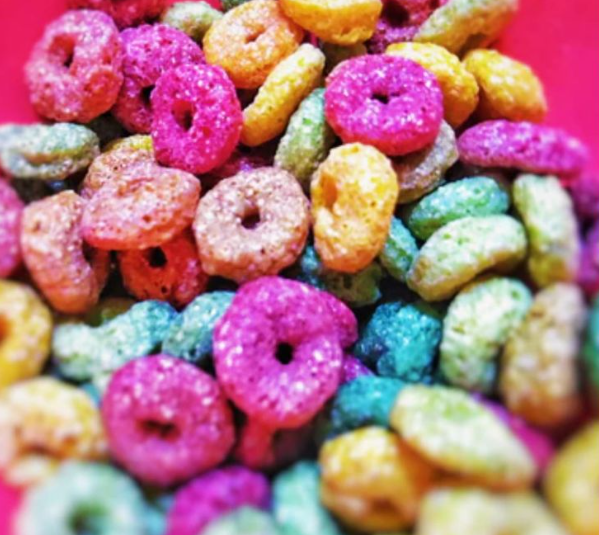
Massive food manufacturing plants are changing their formulas because consumers keep demanding recognizable ingredients on the back of the box. Dropping a natural food colorant into snack foods or sports drinks helps maintain that bright visual look without causing consumer alarm at the supermarket. It requires some clever factory engineering to make these plant extracts perform well across different processing temperatures. Brands everywhere are upgrading their supply chains to swap out old synthetic dyes for these clean alternatives.
Coloring Liquid Drink Formulas
Beverage companies rely heavily on plant extracts to keep their juices, sodas, and sports drinks looking vibrant under harsh grocery lights. A water-soluble natural food coloring works best here because you do not want ugly chunks settling at the bottom of the transparent bottle. Red shades from black carrots or purple sweet potatoes hold up incredibly well in highly acidic soda bases. Formulators just have to watch how sunlight affects the liquid over months of storage.
Managing Baked Goods Hues
Industrial ovens present a massive challenge because extreme heat quickly breaks down delicate botanical pigment molecules during baking. A gorgeous strawberry extract can easily turn into an unappealing, dull gray mess after spending twenty minutes inside a commercial tunnel oven. Utilizing a heat-stable natural food colorant like annatto or turmeric helps biscuits and pastries retain their rich golden appeal. It usually helps to pump the color into the dough at the very last second.
Treating Confectionery Sugar Bases
Hard candies and chewy gummies need highly concentrated pigments that can blend smoothly into boiling hot sugar syrups without clumping up. Getting a natural food coloring to stay bright without fading takes real chemical precision from the factory formulation team. Spirulina extract works beautifully for clean blues and greens, but you must monitor the mixing temperatures closely so the shade does not die out. Kids still expect their sweets to look incredibly fun and bright.
Adding Pigments to Dairy
Milk-based items like flavored yogurts, cheeses, and ice creams need specialized oil-soluble extracts to prevent streaking or separating during the churning process. A standard water-based natural food colorant will bleed right out of high-fat butter blends, creating a terrible visual mess for the consumer. Beta-carotene or paprika oleoresin blends into these heavy cream matrices perfectly without changing the smooth texture of the food. It takes a careful balancing act to keep the shades looking rich.
Navigating Global Compliance Laws
Every country maintains its own separate set of strict food laws regarding which specific plants can legally color your snacks. A natural food coloring cleared for use in European markets might face severe customs delays or outright bans under American FDA rules. Compliance managers must audit all vendor documentation early to avoid getting expensive shipping containers stuck at the destination port. Clean paperwork protects your financial investment when you start distributing your food items globally.
Conclusion
Swapping out artificial dyes requires a thorough understanding of industrial food matrices, processing heat limits, and shifting international safety regulations. Exploring the ingredient catalog over at foodrgb.com gives your team access to highly stable botanical options and custom blending assistance for your specific factory setup. Using real, natural food colors helps your business win over healthy shoppers who always avoid fake stuff in their food. Testing your colors in real, hot storage rooms ensures your items stay looking good the whole time they are out on shelves. Just call or text our tech sales crew today to get some custom color samples for your next big factory run.
