
Introduction
In recent years, data science has revolutionised the sports industry, providing teams, athletes, and fans with powerful tools to enhance performance, make informed decisions, and increase engagement. Sports analytics, powered by data science, has moved beyond basic performance tracking to encompass a wide range of applications—from player training and injury prevention to fan engagement and game strategies. Analysing data in real-time is necessary for optimising team performance, enhancing viewer experiences, and even influencing game outcomes.
For those looking to pursue a career in sports analytics, a well-rounded data course can provide the foundational knowledge needed to dive into this exciting field. In particular, courses such as a Data Science Course in Chennai and such learning hubs offer the opportunity to explore how data science is shaping the future of sports, bridging the gap between performance analysis and fan interaction.
Let us look at how data science is transforming the sports world, from optimising training and performance to revolutionising fan engagement.
The Role of Data Science in Player Training and Performance
One of the most prominent applications of data science in sports is performance analysis. Gone are the days of relying solely on traditional metrics like goals scored or running distances. Today, teams and athletes use advanced data analytics to track and improve every aspect of performance—from the biomechanics of movement to real-time feedback during games.
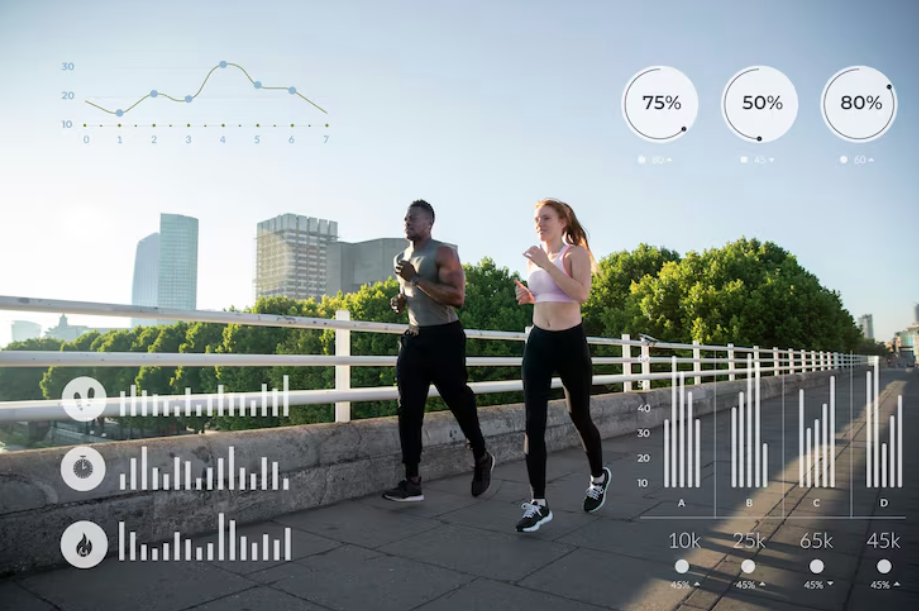
Data science tools such as motion capture, GPS trackers, and wearable sensors collect enormous amounts of data on an athlete’s movements, exertion levels, and physiological responses. This data is then analysed to identify areas of improvement, optimise training regimens, and even predict potential injuries.
For example, in professional basketball, data scientists can track a player’s shooting accuracy, movement efficiency, and fatigue levels. By aggregating this data, they can provide real-time feedback to coaches and players, allowing for tailored training programmes. Similarly, in football, data science is used to track players’ running speeds, direction changes, and even stress levels to enhance both individual and team performance.
A Data Scientist Course equips aspiring professionals with the necessary skills to work with large datasets, understand machine learning algorithms, and implement predictive models, all of which are vital in sports performance analysis. Additionally, it provides insights into how data collection technologies, like wearables and sensors, contribute to athlete performance optimisation.
Injury Prevention and Recovery through Data Science
Injury prevention is another area where data science has made significant strides. Data from wearable devices and sensors, can help sport managers track athletes’ physical metrics and detect signs of exhaustion or stress that may lead to injury. This information helps medical staff and coaches make better decisions about player rest, rehabilitation, and return-to-play protocols.
Data science enables the monitoring of factors such as heart rate, body temperature, acceleration, and force during training and competition. With predictive models in place, it is possible to forecast when an athlete is at risk of injury due to overtraining or biomechanical imbalances. Teams can adjust their training routines to ensure best-level performance while minimising the risk of injuries.
For example, a career-oriented course might cover topics on how machine learning algorithms are used to identify patterns in athletes’ training loads and recovery times. With this insight, data scientists can help design safer and more effective training schedules that promote longevity and prevent injuries. As the field continues to evolve, this application of data science will only become more refined and widespread.
Optimising Team Strategies with Data Science
Another exciting area where data science is changing the game is in strategic decision-making. Traditionally, coaches and managers relied on intuition and experience to make decisions on game strategy. Today, data science provides more objective insights, enabling teams to analyse opponent tactics, player strengths and weaknesses, and even crowd dynamics.
Sports analytics now includes advanced statistical models that predict how players will perform under specific conditions. For instance, in baseball, teams use data science to analyse pitch types, batting stances, and defensive shifts to optimise game strategies. Similarly, football teams analyse player positioning and movements to develop effective offensive and defensive tactics.
By using machine learning and predictive analytics, sports teams can also assess game situations in real time, adjusting strategies based on the unfolding match. Data-driven strategies have been proven to help teams make better decisions on the field.
For those looking to break into sports analytics, a specialised course that focuses on the application of data science in sports is recommended is essential. It provides a comprehensive understanding of machine learning models, statistical analysis, and predictive algorithms—tools that are crucial for optimising team strategies and making data-driven decisions.
Fan Engagement: How Data Science is Enhancing the Viewing Experience
While player performance and team strategies are critical, fan engagement has become equally important in the modern sports landscape. Teams and sports organisations are leveraging data science to create deeper connections with their audiences, personalising experiences and providing valuable insights.
Fan data, including demographics, behaviour, and viewing patterns, is collected across multiple channels—social media, ticket sales, merchandise purchases, and online streaming platforms. By analysing this data, teams can understand fan preferences and tailor marketing campaigns, promotions, and even in-game experiences to increase engagement.
For example, sports apps use data science to recommend tailored content to users, such as specific game highlights or player statistics. Augmented reality (AR) and virtual reality (VR) technologies are also improving the fan experience.
Additionally, data science plays a role in predictive analytics, helping teams forecast ticket sales, merchandise demand, and sponsorship opportunities. By identifying trends in fan behaviour, sports organisations can make data-driven decisions that improve fan engagement and experience and revenue generation.
If you are passionate about the intersection of sports and entertainment, a Data Scientist Course can open doors to opportunities in fan engagement. Learning how to analyse user data and develop personalised fan experiences using advanced data science tools will be crucial in this growing area of sports analytics.
The Future of Data Science in Sports
As data science continues to evolve, its applications in sports are expanding. The integration of artificial intelligence (AI), machine learning, and deep learning will reinforce the ability to predict outcomes, personalise fan experiences, and optimise performance. Shortly, sports teams could even use AI-driven virtual coaches that provide real-time analysis of player performance during games, offering recommendations to coaches instantly.
Moreover, the convergence of data science with IoT (Internet of Things) devices will continue to push the boundaries of sports performance analysis. Wearable technologies, such as bright clothing and enhanced fitness trackers, will generate more granular data, giving teams and players deeper insights into their physical conditions.
For aspiring data scientists, this rapidly growing field presents an exciting opportunity. Whether you are interested in performance analytics, injury prevention, team strategy optimisation, or fan engagement, the future of data science in sports offers numerous avenues for exploration.
Conclusion: Embracing the Power of Data Science in Sports
Data science is transforming the sports industry, offering innovative solutions to enhance training, performance, and fan engagement. From optimising player strategies to revolutionising how fans interact with their favourite teams, the role of data science in sports is becoming increasingly indispensable.
For those interested in entering this dynamic field, enrolling in a formal learning program in a reputed learning institute is an excellent first step, providing the foundational skills needed to work in sports analytics. Thus, if you are based in Chennai, completing a Data Science Course in Chennai equips you with the skills to leverage data science technologies in sports, whether through performance analysis, injury prevention, or fan experience enhancement.
The future of sports analytics is bright, and those with the right skills and passion for data science will be well-positioned to make a lasting impact on this exciting industry.
BUSINESS DETAILS:
NAME: ExcelR- Data Science, Data Analyst, Business Analyst Course Training Chennai
ADDRESS: 857, Poonamallee High Rd, Kilpauk, Chennai, Tamil Nadu 600010
Phone: 8591364838
Email- [email protected]
WORKING HOURS: MON-SAT [10AM-7PM]
